Buy Cialis in Ukraine
Sort By:

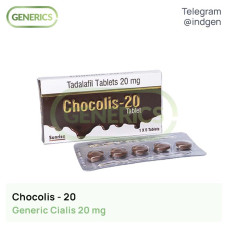
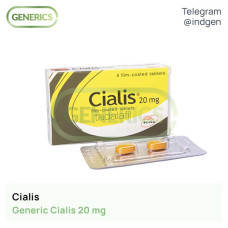






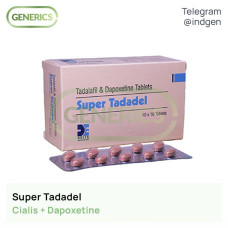
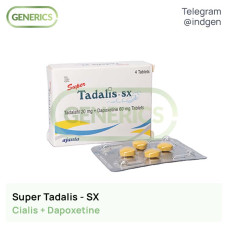
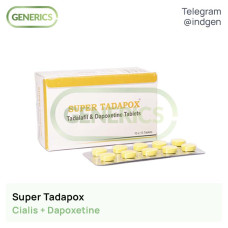


Cialis (Tadalafil) is an original medication belonging to the pharmacological group of phosphodiesterase type 5 (PDE-5) inhibitors. The primary purpose of this medication is to restore erectile function in men suffering from erectile dysfunction of various origins. The active substance, tadalafil, provides a pronounced vasodilating effect in the cavernous bodies of the penis, which helps to achieve and maintain a stable erection. The drug is available in the form of film-coated tablets with different dosages of the active substance. The manufacturer of original Cialis is a well-known pharmaceutical company that ensures high quality and bioavailability of the drug.
Cialis (Tadalafil) stands out from other representatives of its class due to the duration of its therapeutic effect, which can last up to 36 hours after a single dose. This feature allows patients not to tie the intake of the drug to a specific moment of intimacy, which significantly reduces psychological stress. The drug works only in the presence of sexual stimulation, meaning it does not cause a spontaneous erection without natural arousal. This mechanism makes the use of Cialis as physiological and comfortable as possible for a man. In addition, tadalafil demonstrates high selectivity for PDE-5, which minimizes the risk of systemic side effects.
In medical practice, Cialis (Tadalafil) is also used to treat symptoms of benign prostatic hyperplasia, which expands its therapeutic profile. The drug has undergone numerous clinical studies that have confirmed its efficacy and safety when used correctly. It is important to understand that Cialis is not an aphrodisiac and does not increase libido, but only restores the natural physiological response to sexual stimulation. The prescription of the drug should be carried out by a doctor after an appropriate examination and exclusion of contraindications. Self-medication can be dangerous, so professional consultation is necessary before starting therapy.
The main indication for the use of Cialis (Tadalafil) is erectile dysfunction — a condition in which a man cannot achieve or maintain an erection sufficient for satisfactory sexual intercourse. This problem can have psychogenic, organic, or mixed origins, and tadalafil works effectively regardless of the cause of the disorder. The drug restores the ability to achieve an erection in response to sexual stimulation, which allows regaining confidence in one's own strength. Clinical studies demonstrate high efficacy even in patients with severe forms of erectile dysfunction. Importantly, the therapeutic effect develops gradually and is not accompanied by a forced erection without stimulation.
The second important indication is the symptomatic treatment of benign prostatic hyperplasia (BPH). In this case, Cialis (Tadalafil) helps to reduce the severity of lower urinary tract symptoms, such as frequent urination, nocturia, weak urine stream, and a feeling of incomplete bladder emptying. The mechanism of action is related to the relaxation of the smooth muscles of the prostate gland and the bladder neck. The drug can be prescribed as monotherapy or in combination with other medications for the treatment of BPH. This dual effect makes tadalafil particularly valuable for older men who often face both problems simultaneously.
Cialis (Tadalafil) can also be used as part of complex therapy for pulmonary arterial hypertension, although special dosages and dosage forms are usually used for this indication. In some clinical situations, a doctor may recommend the drug to patients with erectile dysfunction that has arisen against the background of diabetes mellitus, cardiovascular diseases, or after radical prostatectomy. The decision on prescription is always made individually, taking into account the overall health status of the patient. Before starting treatment, it is necessary to undergo an examination to identify possible contraindications and assess the function of the cardiovascular system.
The main active substance of the drug is tadalafil — a synthetic compound belonging to the class of selective phosphodiesterase type 5 inhibitors. The mechanism of action of tadalafil is to block the PDE-5 enzyme, which is responsible for the breakdown of cyclic guanosine monophosphate (cGMP) in the cavernous bodies of the penis. During sexual stimulation, nitric oxide is released from nerve endings, triggering a cascade of reactions that increase cGMP levels. The accumulation of cGMP leads to the relaxation of smooth muscle in the blood vessels and increased blood flow to the cavernous bodies. Thus, tadalafil does not cause an erection on its own, but enhances the natural physiological response to sexual arousal.
The composition of Cialis (Tadalafil) tablets also includes auxiliary substances that ensure the stability of the drug, its proper bioavailability, and ease of use. Among them are lactose, microcrystalline cellulose, croscarmellose sodium, hydroxypropyl cellulose, magnesium stearate, and other components that make up the film coating. Each auxiliary substance performs a specific function: some ensure the integrity of the tablet, others ensure the controlled release of the active substance in the gastrointestinal tract. Patients with lactose intolerance should take into account its presence in the composition of the drug. The full list of excipients is specified in the official instructions for medical use.
Tadalafil is characterized by high bioavailability, which does not depend on food intake, which distinguishes it favorably from some other PDE-5 inhibitors. The maximum concentration of the active substance in blood plasma is reached approximately 2 hours after oral administration. The half-life of tadalafil is about 17.5 hours, which provides a long-lasting therapeutic effect of up to 36 hours. The drug is metabolized mainly in the liver with the participation of cytochrome P450 system enzymes, and is excreted mainly in feces and urine. Understanding pharmacokinetics allows the doctor to correctly select the dosage and administration regimen for each individual patient.
The standard recommended dose of Cialis (Tadalafil) for the treatment of erectile dysfunction is 10 mg as needed, approximately 30–60 minutes before expected sexual activity. Depending on individual efficacy and tolerability, the dose can be increased to 20 mg or decreased to 5 mg. The maximum recommended frequency of administration is once a day, as exceeding this frequency does not increase efficacy but increases the risk of side effects. For patients planning regular sexual activity, the doctor may recommend a daily intake of the drug at a dose of 5 mg once a day. This regimen ensures constant readiness for sexual intercourse without the need to plan the intake.
For the treatment of symptoms of benign prostatic hyperplasia, 5 mg of tadalafil once a day is usually prescribed, regardless of food intake. The duration of the course is determined by the doctor individually, depending on the dynamics of symptoms and tolerability of the drug. In patients requiring simultaneous treatment for erectile dysfunction and BPH, a daily dose of 5 mg is optimal. Dose adjustment may be required in patients with renal or hepatic impairment, so appropriate laboratory tests should be performed before starting therapy. Dose adjustment is usually not required for elderly patients, but overall health and concomitant diseases should be taken into account.
It is important to strictly adhere to the dosage prescribed by the doctor and not to exceed the maximum daily dose of 20 mg. Self-increasing the dose does not lead to an increase in the therapeutic effect, but significantly increases the likelihood of developing adverse reactions. If a patient accidentally misses a dose on a daily regimen, they should take the tablet as soon as possible, but do not double the dose next time. If any unusual symptoms appear or if there is no expected effect, it is necessary to consult a doctor to review the treatment regimen. The duration of therapy is determined individually and can be either short-term or continuous depending on the clinical situation.
Cialis (Tadalafil) is taken orally, regardless of food intake, as food does not affect the bioavailability of the drug. The tablet should be swallowed whole with a sufficient amount of water, without chewing or crushing. For the "as needed" regimen, the drug is recommended to be taken 30–60 minutes before planned sexual activity, although the effect can last up to 36 hours. With daily use, the tablet should be taken at approximately the same time, which helps to maintain a stable concentration of the active substance in the body. Compliance with the regularity of intake is especially important for patients treating benign prostatic hyperplasia.
During treatment with Cialis (Tadalafil), it should be remembered that the drug works only in the presence of sexual stimulation, so expecting a spontaneous erection is incorrect. Alcohol in moderate amounts usually does not affect the efficacy of the drug, but excessive consumption of alcoholic beverages can reduce the ability to achieve an erection and increase the risk of side effects. Grapefruit juice can affect the metabolism of tadalafil, so its consumption in large quantities during treatment is not recommended. Patients with cardiovascular diseases should avoid excessive physical exertion immediately after taking the drug. Before starting therapy, the doctor must assess the patient's ability to tolerate sexual activity without health risks.
If a patient forgets to take a tablet on a daily regimen, they should do so as soon as they remember, but do not take a double dose. Missing a dose is not critical, but regularity ensures the best therapeutic result. If an erection lasts more than 4 hours (priapism), immediate medical attention is required, as this condition can lead to irreversible damage to penile tissues. You should also stop taking the drug and consult a doctor in case of sudden deterioration of vision or hearing. The body's individual response to the drug may vary, so it is important to closely monitor your well-being during therapy.
The most common side effects of Cialis (Tadalafil) are headache, dyspepsia, back pain, myalgia, nasal congestion, and facial flushing. These reactions are usually mild to moderate, occur at the beginning of treatment, and gradually disappear as therapy continues. Back and muscle pain, characteristic of tadalafil, usually appears 12–24 hours after administration and resolves on its own within 48 hours. Nasal congestion is associated with the vasodilating effect of the drug on the nasal mucosa. Most patients tolerate the treatment well and do not require discontinuation of the drug due to side effects.
Uncommon side effects include dizziness, palpitations, increased blood pressure, abdominal pain, nausea, gastroesophageal reflux, skin rash, and increased sweating. Rare but serious side effects are priapism, sudden loss of vision due to non-arteritic anterior ischemic optic neuropathy, and sudden decrease or loss of hearing. Cases of allergic reactions, including angioedema and urticaria, have also been reported. Patients should contact a doctor immediately if they experience chest pain, severe dizziness, or vision or hearing impairment. Timely informing the doctor about any unusual symptoms helps prevent the development of complications.
The individual response of the body to Cialis (Tadalafil) can vary significantly depending on age, general health status, the presence of concomitant diseases, and the simultaneous use of other medications. Patients with cardiovascular diseases have an increased risk of developing cardiovascular side effects. Persons with hepatic or renal impairment may require a dose reduction to reduce the likelihood of adverse reactions. Before starting treatment, it is necessary to inform the doctor about all existing diseases and medications taken. In case of any doubts about the safety of therapy, you should immediately seek professional consultation.
Cialis (Tadalafil) has a number of absolute contraindications, in the presence of which the use of the drug is strictly prohibited. These include hypersensitivity to tadalafil or any auxiliary component of the drug. The drug must not be taken by patients receiving organic nitrates in any form, as simultaneous use can cause a life-threatening drop in blood pressure. Cialis is contraindicated in men with severe cardiovascular diseases for whom sexual activity is undesirable, including a recent myocardial infarction or stroke. Also, the drug is not prescribed to patients with severe hepatic impairment and a history of vision loss due to non-arteritic anterior ischemic optic neuropathy.
Among the relative contraindications are conditions in which the drug can be used with caution and under close medical supervision. This applies to patients with anatomical deformity of the penis, sickle cell anemia, multiple myeloma, and leukemia, as they have an increased risk of developing priapism. Caution is required in case of renal impairment, moderate hepatic impairment, uncontrolled arterial hypertension, and acute peptic ulcer disease. Cialis (Tadalafil) is not intended for use in women, children, and adolescents under 18 years of age. For elderly patients, the drug is usually prescribed in standard doses, but taking into account the overall health status and concomitant therapy.
Before prescribing Cialis (Tadalafil), the doctor must carefully collect the medical history, perform a physical examination, and, if necessary, prescribe additional diagnostic procedures. Special attention should be paid to assessing the state of the cardiovascular system, as erectile dysfunction is often an early marker of coronary heart disease. Patients with risk factors for cardiovascular disease are recommended to undergo a cardiological examination before starting therapy. It is important to remember that self-medication can be dangerous, and only a qualified specialist can determine the feasibility of using the drug in each specific case. Consultation with a doctor is mandatory before the first intake of Cialis.
The most dangerous drug interaction of Cialis (Tadalafil) is simultaneous use with organic nitrates used to treat angina. The combination of these drugs can lead to a sharp drop in blood pressure, collapse, and even death. Tadalafil also enhances the hypotensive effect of alpha-blockers, so caution and dose adjustment are required when used simultaneously with doxazosin or tamsulosin. CYP3A4 inhibitors, such as ketoconazole, itraconazole, and ritonavir, can increase the concentration of tadalafil in the blood, requiring a reduction in its dose. CYP3A4 inducers, such as rifampicin, on the contrary, reduce the efficacy of the drug. Before starting therapy, it is necessary to inform the doctor about all medications the patient is taking.
Moderate alcohol consumption during treatment with Cialis (Tadalafil) usually does not lead to a clinically significant decrease in blood pressure. However, excessive consumption of alcoholic beverages can increase the side effects of the drug, including dizziness, headache, and orthostatic hypotension. In addition, alcohol itself can impair erectile function, which reduces the expected therapeutic effect. Patients are advised to limit alcohol consumption during treatment and avoid excessive amounts. Regarding driving vehicles, Cialis usually does not affect the ability to drive, but if dizziness or visual impairment occurs, one should refrain from driving and operating machinery.
Cialis (Tadalafil) is a prescription drug, so its purchase in pharmacies in Ukraine is possible only with a prescription from a doctor. The drug is available in most pharmacy chains in major cities, as well as in specialized online pharmacies that deliver medicines throughout the country. When purchasing, it is important to pay attention to the integrity of the packaging, the expiration date, and the presence of protective elements confirming the originality of the drug. Cialis should be stored out of reach of children at a temperature not exceeding 25 degrees Celsius, avoiding direct sunlight and high humidity. The shelf life of the drug is usually 3 years from the date of manufacture, after which use is prohibited.
The price of Cialis (Tadalafil) in Ukraine can vary depending on the dosage, the number of tablets in the package, and the pricing policy of a specific pharmacy. Patients are recommended to compare the cost in different pharmacies and pay attention to promotional offers that can significantly reduce the cost of treatment. Online ordering of the drug allows you to conveniently check availability, prices, and delivery terms, but requires confirmation of the prescription. Before purchasing the drug, it is necessary to consult a doctor to obtain individual recommendations on dosage and administration regimen. Self-medication can be dangerous to health, so a responsible approach to therapy is the key to its effectiveness and safety.
Across Ukraine
Self-medication can be dangerous to your health. Consult a doctor before using this medication..


