Buy Creams in Ukraine
Sort By:
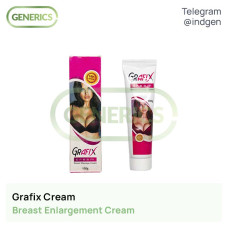
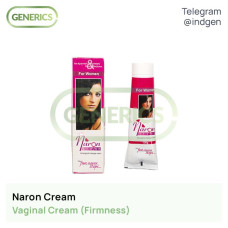
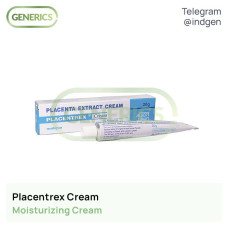
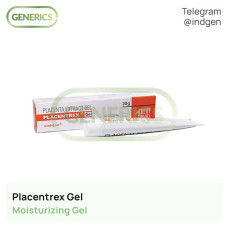


WOMEN'S CREAMS are a category of topical products for supporting women's sexual health, primarily designed to improve the hydration of mucous membranes and stimulate physiological arousal. Such products belong to the group of local lubricants and stimulants that act directly in the application area without a pronounced systemic effect on the body. The release form is usually represented by creams, gels, or emulsions in tubes or bottles with a dispenser, which ensures hygiene and convenience of use. Manufacturers offer various composition options targeted at women experiencing dryness, discomfort, or a reduced tissue response during intimacy. Before using any product from the WOMEN'S CREAMS line, it is important to consult a doctor, as the body's reaction is always individual.
The pharmacological group covers topical moisturizing and vasodilating formulations that help maintain natural lubrication levels and sensitivity. WOMEN'S CREAMS are not hormonal drugs of systemic action and do not replace the treatment of serious gynecological diseases. They are used as an auxiliary agent in a comprehensive approach to women's sexual comfort. Quality formulas are developed taking into account the pH of the mucous membrane to minimize the risk of irritation. The correct choice of product depends on age, hormonal status, and accompanying symptoms.
Various series of WOMEN'S CREAMS from domestic and international manufacturers are available on the Ukrainian market; however, a specific brand and series must correspond to the doctor's prescription or the recommendations of a gynecologist. Products in this category often combine moisturizing polymers, herbal extracts, and mild stimulating components. They are aimed at women of reproductive and perimenopausal age who experience physiological dryness. The effectiveness depends on the regularity of use and the elimination of the causes of discomfort. Self-treatment without diagnosis can mask important symptoms, so consultation with a specialist remains mandatory.
The main indication is vaginal dryness, which is accompanied by burning, discomfort, and pain during intercourse. WOMEN'S CREAMS help restore tissue slipperiness and reduce friction, which improves the quality of intimate life. The second common indication is reduced physical arousal (conditions associated with FSAD), when blood supply and genital sensitivity are insufficient. Local stimuli promote vasodilation and enhance sensations without systemic hormonal correction. The third direction is supporting comfort during periods of hormonal fluctuations, particularly during breastfeeding or taking certain medications.
Doctors may recommend WOMEN'S CREAMS for dyspareunia — pain during intimacy, if the cause is insufficient lubrication rather than an infection or structural changes. The product is also used as an auxiliary element of rehabilitation after childbirth or surgical interventions when tissues need additional protection. In women during perimenopause, topical creams reduce the manifestations of atrophic changes in the mucous membrane. It is important to understand that WOMEN'S CREAMS do not treat infections, inflammation, or endocrine disorders — they only relieve symptoms of dryness and discomfort. Any prescription must be based on an examination and the exclusion of contraindications.
Additionally, the products are used for the prevention of microtrauma of the mucous membrane during intimacy and to increase the overall sense of comfort. Some formulas are targeted at women who experience psychological tension due to previous negative experiences of pain. Regular, correct use can improve quality of life and reduce the avoidance of intimacy. However, the result depends on concomitant therapy, lifestyle, and the state of partnership relations. Before starting a course, be sure to discuss expectations and possible alternatives with a gynecologist.
The typical composition of WOMEN'S CREAMS includes moisturizing polymers (for example, hyaluronic acid or glycerin) that retain water in the superficial layers of the mucous membrane and create a protective film. Additionally, mild vasoactive substances of plant origin may be included, which locally improve microcirculation and the sensation of warmth or tingling. Emollients and lipids help restore the barrier function of the epithelium, reducing moisture loss. pH-balanced buffers maintain a physiological environment unfavorable for the reproduction of pathogenic flora. Auxiliary components are preservatives in minimal concentrations, non-irritating flavorings, and a cream base that ensures even distribution.
The mechanism of action of moisturizers consists in binding water molecules and forming a slippery layer that reduces the coefficient of friction. Stimulating extracts can activate local receptors, promoting blood flow and natural lubrication. WOMEN'S CREAMS do not contain systemic hormones in therapeutic doses, unless otherwise directly stated by the manufacturer in a specific series. It is important to check the composition for potential allergens, especially if there is a tendency to react to vegetable oils or preservatives. A quality product must be dermatologically and gynecologically tested.
When choosing, pay attention to the absence of aggressive alcohols, parabens in high concentrations, and components that disrupt the lactobacillary flora. The combination of hyaluronate with panthenol often provides long-lasting hydration and healing of micro-damage. Some formulas add L-arginine or similar amino acids to support local blood flow. The effectiveness of each component is manifested only with correct application and sufficient exposure time. Individual tolerance is always different, so a test on a small area of skin before full application is a reasonable practice.
The recommended single amount of WOMEN'S CREAMS for adult women is usually a strip of cream 1–2 cm long or a volume equivalent to a pea, depending on the instructions of the specific manufacturer. The product is applied 1–2 times a day or directly before intimacy, if the goal is hydration during intercourse. The duration of the course for regular dryness can range from several weeks to constant maintenance use as needed. Dose adjustment is required if there is a feeling of excessive moisture or, conversely, an insufficient effect. Exceeding the recommended amount does not accelerate the result and can cause discomfort.
For menopausal women, a doctor may suggest a more frequent initial regimen followed by a transition to maintenance. For episodic use, application 5–15 minutes before intimacy is sufficient. WOMEN'S CREAMS are not intended for intrauterine or deep vaginal administration without special applicators specified in the instructions. For children and adolescents, such products are not used without direct medical indications and supervision of a specialist. Any change in the regimen must be agreed with a gynecologist, especially in the presence of concomitant diseases.
If after two weeks of regular use the symptoms do not decrease, you should not increase the dosage on your own — a repeat consultation is needed. When combined with other topical preparations, the interval between applications should be at least several hours. The package volume is selected taking into account the frequency of use to avoid long-term storage of an opened product. Compliance with the standards specified by the manufacturer is a guarantee of safety and expected comfort. The individual reaction of the body may require a reduction in frequency even within the recommended range.
WOMEN'S CREAMS are applied topically: wash hands thoroughly, apply a small amount to the external genitalia and, if necessary, to the vaginal entrance with light movements until completely distributed. The time relative to food does not matter, as the product is not intended for oral administration. Before application, the skin and mucous membranes must be clean and dry; after a shower, you should wait a few minutes. If you miss a scheduled application, simply use the usual dose at the next scheduled time, without doubling the amount. Do not allow the cream to get into the eyes or on damaged skin with open wounds.
For a better effect, some formulas require 5–10 minutes to activate hydration before intimacy. WOMEN'S CREAMS are compatible with most condoms only if the manufacturer directly indicates latex compatibility — oil bases can weaken latex. Cautions include refusing to use in case of active inflammation, itching of unknown origin, or after recent surgeries without a doctor's permission. Keep the tube tightly closed and avoid getting water inside the package. If burning occurs, immediately wash off the product with warm water and discontinue use.
Do not use WOMEN'S CREAMS simultaneously with other vaginal suppositories or creams without coordinating the regimen. After application, avoid intensive rubbing with a towel. If a gynecological examination is planned, inform the doctor about the use of the product. Observing hand hygiene and keeping the applicator clean (if any) reduces the risk of infection. Remember: even the correct technique does not replace a professional assessment of the causes of dryness.
The most common side effects of WOMEN'S CREAMS are local mild burning, tingling, or redness in the first minutes after application, which usually pass on their own. Uncommon reactions include itching, swelling of the mucous membrane, or the appearance of a rash in the contact zone, which may indicate individual sensitivity to a component. Rare cases are associated with allergic dermatitis or increased dryness if the cream base does not match the tissue type. Systemic effects are practically not observed due to minimal absorption. With persistent discomfort for more than a few hours, use should be discontinued.
It is necessary to consult a doctor immediately if severe pain, swelling that interferes with urination, bleeding, or signs of infection (unpleasant odor, profuse discharge) appear. WOMEN'S CREAMS can rarely provoke exacerbation of existing candidiasis if the formula disrupts the balance of the flora. Women with a tendency to allergies should read the composition particularly carefully. Recording symptoms in a diary helps the doctor assess the cause-and-effect relationship. Most side effects disappear after discontinuation of the product and symptomatic therapy.
The likelihood of adverse reactions is reduced when choosing hypoallergenic series and conducting a preliminary test. Do not ignore even mild symptoms if they recur with each application. In case of accidental entry of a large amount inside the vagina, a temporary sensation of excessive moisture is possible without danger. Any change in the nature of discharge requires an examination. The individual reaction of the body is unpredictable, so self-monitoring and readiness to seek help are mandatory.
Absolute contraindications to WOMEN'S CREAMS are a known allergy to any component of the composition, active inflammatory diseases of the external genitalia in the acute phase, and open wounds or ulcers in the application area. The product is not used for unexplained bleeding and suspicion of malignant processes without diagnosis. Relative contraindications include the period of exacerbation of chronic dermatoses and the state after recent laser or surgical procedures. Pregnancy and breastfeeding require a separate decision of a doctor: most topical moisturizers are allowed, but stimulating formulas may be limited.
For children and adolescents under 18 years of age, WOMEN'S CREAMS are not prescribed as part of self-treatment; only a specialist can assess the need in rare clinical situations. For elderly women, the product is often indicated due to atrophic changes, but an assessment of concomitant therapy and skin condition is necessary. In case of severe immune disorders or after transplantation, consultation is mandatory. The presence of an intrauterine device is usually not an obstacle to external application. Any doubtful indication must be resolved by a gynecologist before the first use.
Do not use WOMEN'S CREAMS as a substitute for an examination for pain, itching, or cycle disorders. A contraindication is also the simultaneous use of incompatible local antiseptics without an interval. Women with recurrent infections should first stabilize their flora. The decision on safety in each case is individual. Ignoring contraindications increases the risk of complications and masks more serious problems.
WOMEN'S CREAMS with topical application have minimal potential for systemic drug interaction, but oil bases can reduce the strength of latex condoms and some diaphragms. Simultaneous use with vaginal suppositories, antibiotics, or antifungal creams requires separation in time so as not to disrupt the absorption of active substances. Alcohol-containing antiseptics can dry out the mucous membrane and increase irritation when combined. Hormonal drugs of systemic action usually do not affect the local effect of moisturizers. Always inform your doctor about all products you use in the intimate area.
Alcohol in moderate amounts does not change the effect of WOMEN'S CREAMS, but abuse can increase tissue dehydration and reduce natural lubrication. The effect on driving is absent, as the product does not cause drowsiness or coordination disorders. If dizziness or other unusual sensations appear, other causes should be excluded. Compatibility with water-based lubricants is usually good, and with silicone ones — depends on the formula. Before combining several products, consult a specialist to avoid chemical incompatibility.
WOMEN'S CREAMS are available in most pharmacy chains in Ukraine, as well as in official online pharmacies licensed to sell medical devices and cosmeceuticals. When choosing, check the integrity of the packaging, the expiration date, and the presence of instructions in Ukrainian. The product should be stored at the temperature specified by the manufacturer, usually in a dry place away from direct sunlight and out of reach of children. Delivery of online orders is carried out in accordance with the rules of the carrier while maintaining the temperature regime. Avoid buying from hands or on doubtful platforms where it is impossible to confirm the originality.
Before purchasing and starting to use WOMEN'S CREAMS, be sure to consult a gynecologist. The body's reaction to any local product is individual, and what suits one woman may cause discomfort in another. Only a specialist will be able to determine whether dryness is a symptom of a condition that requires other treatment. Compliance with the recommendations of the specialist and the manufacturer's instructions ensures maximum comfort and safety. Do not engage in self-diagnosis — a timely visit to the doctor protects health.
Across Ukraine
Self-medication can be dangerous to your health. Consult a doctor before using this medication..


