LOVEGRA
Sort By:
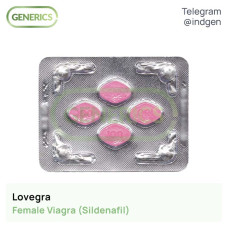
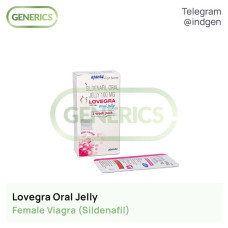


LOVEGRA is a medicinal product that belongs to the group of phosphodiesterase type 5 inhibitors and is designed to correct female sexual function disorders. The product is manufactured in the form of pink tablets, convenient for oral administration, which ensures rapid absorption of the active substance. The pharmacological group of the drug is associated with improving blood circulation in the pelvic area, which helps to increase sensitivity and natural arousal. The manufacturer positions LOVEGRA as a specialized product for women facing decreased libido or difficulty in achieving satisfaction. Before starting use, a doctor's consultation is mandatory, as the body's reaction is always individual.
The drug LOVEGRA is designed taking into account the physiological characteristics of the female body and helps to restore the harmony of intimate life with properly selected therapy. The tablet form allows precise dosing of the active component and control of the duration of action. The product is not hormonal and does not replace psychotherapeutic support if the cause of the disorders has a psycho-emotional origin. In clinical practice, LOVEGRA is considered an auxiliary tool in the comprehensive correction of sexual dysfunction. Self-treatment without examination can be ineffective or even dangerous, so diagnosis must be carried out by a specialist.
General information about LOVEGRA includes data on its role in improving the quality of life of women of reproductive and perimenopausal age. The drug acts locally on the vascular system of the pelvic area, without changing the systemic hormonal background in most cases. The release form ensures the stability of the active substance and ease of storage at home. The category of the product refers to prescription drugs, which emphasizes the need for medical supervision. The individual response of the body may vary, so the regimen of use is always agreed upon with a pharmacologist or gynecologist.
The main indication for the use of LOVEGRA is female sexual dysfunction, manifested by a decrease in arousal, insufficient lubrication of the mucous membranes, and difficulty in achieving orgasm. The drug helps to increase blood flow in the clitoral and vaginal areas, thereby increasing the sensitivity of receptors. Doctors recommend LOVEGRA for psychogenic and mixed forms of disorders, when serious organic diseases are excluded. The product can also be part of a complex therapy after consultation with a gynecologist and an endocrinologist. It is important to understand that LOVEGRA does not treat infections or inflammatory processes, but only supports the physiological response to stimulation.
Additionally, LOVEGRA is prescribed for women with decreased libido against the background of chronic stress, fatigue, or age-related changes, when the vascular component plays a prominent role. A brief explanation of the mechanism: improvement of microcirculation creates conditions for natural secretion of lubrication and enhancement of pleasant sensations. In some cases, the drug is considered as support during adaptation to hormone replacement therapy, but only under clear indications. Patients note a more pronounced response of the body to the partner's caresses when the recommended regimen is followed. Any prescription must be based on an examination and the exclusion of contraindications.
Another area of LOVEGRA use is the correction of arousal disorders after childbirth or against the background of taking certain psychotropic drugs, if the doctor deems it appropriate. The drug does not replace work with a psychologist and does not eliminate conflicts in a couple, but it can facilitate the physiological component of intimacy. The emphasis is on the fact that the result appears only in the presence of sexual stimulation. The duration of the effect and the intensity of action depend on the dose, age, and concomitant conditions. Before starting a course, expectations and possible alternatives must be discussed with a specialist.
The active substance of LOVEGRA is sildenafil in a specially selected dosage oriented to female physiology. Sildenafil blocks the enzyme phosphodiesterase-5, which leads to the accumulation of cyclic guanosine monophosphate and relaxation of the smooth muscles of blood vessels. As a result, the arterioles of the pelvic organs dilate, blood flow increases, and tissue perfusion improves. The auxiliary components of the tablet ensure the stability of the form, uniform release of the substance, and acceptable taste and aromatic properties. The mechanism of action of each element is aimed at safely achieving a therapeutic effect without unnecessary systemic load.
In addition to the active component, LOVEGRA contains fillers, binders, and a film coating that affect the rate of dissolution in the gastrointestinal tract. These auxiliary ingredients do not have their own pharmacological activity, but are critically important for the bioavailability of sildenafil. After absorption, the substance is metabolized mainly in the liver, and metabolic products are excreted by the kidneys and intestines. Understanding the composition helps to assess risks in concomitant diseases of the stomach or liver. Any replacement of auxiliary components in analogues can change tolerability, so it is worth focusing on the original profile of LOVEGRA.
The cumulative effect of the LOVEGRA composition manifests itself 30–60 minutes after administration and lasts for several hours under the condition of adequate stimulation. Sildenafil does not increase hormone levels and does not act as an aphrodisiac in the classical sense, but only creates favorable vascular conditions. Explanation in simple language: blood vessels "open" wider, tissues receive more oxygen and nutrients, sensations become brighter. The individual reaction of the body depends on metabolism, body weight, and the presence of fatty food in the stomach. Consultation with a doctor before use allows taking into account all the nuances of the composition and avoiding unwanted effects.
The recommended starting dose of LOVEGRA for adult women is usually one tablet per intake, unless the doctor has prescribed a different regimen. The frequency of use is no more than once a day to avoid accumulation of the substance and enhancement of side reactions. The duration of the course is determined individually: sometimes situational use is sufficient, sometimes a short controlled period under supervision is required. Dose adjustment is possible downwards if headache or hot flashes occur, or upwards with cautious increase only by decision of a specialist. Exceeding the recommended amount does not accelerate the effect and increases risks.
For older women or those with impaired liver and kidney function, the dosage of LOVEGRA is selected with maximum caution, starting with the minimum effective amount. The doctor assesses concomitant medications, blood pressure, and general condition before approving the regimen. The duration of continuous use rarely exceeds several weeks without a repeat examination. If the expected result is absent, instead of increasing the dose independently, an additional examination is conducted. The individual reaction of the body may require complete discontinuation of the product and search for alternative approaches.
It is important to remember that LOVEGRA is not intended for daily "preventive" use without medical grounds. The optimal time of action is observed when observing the intervals recommended in the instructions and confirmed by the doctor. Patients with labile pressure may be offered a trial dose under control. Any changes in well-being during the course are recorded and discussed at the next visit. Consultation with a doctor before use and during therapy remains a mandatory condition for safe use.
LOVEGRA is taken orally, washed down with a sufficient amount of clean non-carbonated water, without chewing the tablet. It is optimal to use the product approximately one hour before the expected intimacy so that the active substance has time to be absorbed. Fatty food can delay the onset of the effect, so a heavy meal immediately before the tablet is undesirable. If a planned dose is missed, the next dose is not doubled, but you simply wait for a convenient moment according to the new need. Warnings include a ban on independent combination with other blood circulation stimulants without the doctor's knowledge.
The method of using LOVEGRA requires the presence of sexual stimulation — without it, the vascular effect remains minimal. The drug should not be washed down with grapefruit juice, as it can alter the metabolism of sildenafil. If severe dizziness or sudden vision loss occurs after administration, further doses are cancelled and medical help is sought. Storage of tablets must exclude access of children and exposure to direct sunlight. Correct intake increases the chances of a predictable result and reduces the likelihood of adverse reactions.
Women are recommended to keep a short diary of well-being while using LOVEGRA so that the doctor can assess the dynamics. Alcohol in large quantities impairs tolerability and weakens concentration, so it is better to avoid it on the day of use. If allergic skin manifestations appear, use is stopped immediately. The product is not intended for constant daily use "just in case". Before starting any course, a consultation with a doctor is mandatory, as the individual reaction of the body can differ significantly from average indicators.
Common side effects of LOVEGRA include headache, facial flushing, hot flashes, and mild nasal congestion. These phenomena usually pass on their own within a few hours and are associated with blood vessel dilation. Uncommon reactions include dyspepsia, dizziness, changes in color perception, and increased sensitivity to light. Rare but more serious manifestations — a sharp drop in blood pressure, chest pain, or heart rhythm disturbances — require immediate medical attention. Any new symptom after use should be discussed with a doctor.
In some patients, LOVEGRA can cause muscle discomfort, back pain, or temporary rapid heartbeat. Allergic reactions in the form of a rash or itching are rare, but require discontinuation of the drug. If side effects increase or are accompanied by shortness of breath, call an ambulance without delay. The doctor assesses whether the symptoms are related to LOVEGRA specifically or to concomitant factors. The individual reaction of the body sometimes manifests itself even at a minimum dose, so the first intake is better to plan in a calm environment.
When to consult a doctor is mandatory: in case of prolonged headache, loss of consciousness, sudden vision or hearing impairment, as well as swelling. Most side effects of LOVEGRA are dose-dependent and decrease after adjustment of the regimen. Do not mask discomfort with painkillers without agreement. Regular feedback with a specialist allows adjusting therapy in time. The warning about consulting a doctor before use and with any changes in well-being remains a key safety rule.
Absolute contraindications to LOVEGRA are hypersensitivity to sildenafil or any component of the tablet, concomitant use of nitrates, and severe forms of cardiovascular insufficiency. The drug is not used in case of recently suffered myocardial infarction or stroke, unstable angina, and severe hypotension. Relative limitations include anatomical deformities of the genital organs, a predisposition to bleeding, and active peptic ulcer disease. Before prescribing, the doctor must collect a full medical history and, if necessary, perform additional examinations. Ignoring contraindications can lead to dangerous complications.
LOVEGRA is not intended for pregnant and lactating women, as safety for the fetus and infant has not been established. The drug is categorically contraindicated for children and adolescents due to the lack of data on the effect on the developing organism. In old age, the decision on use is made individually, taking into account the state of blood vessels, liver, and kidney function. Patients with retinal diseases need a consultation with an ophthalmologist. Any special group requires a separate balanced approach.
Additional warnings include severe heart rhythm disturbances, uncontrolled hypertension, and conditions after complex vascular surgeries. LOVEGRA is not used as an emergency aid in acute conditions. If there were episodes of priapism or complex allergies to similar molecules in the history, the drug is avoided. The final decision always remains with the doctor after assessing the benefit-risk ratio. The individual reaction of the body and the presence of chronic diseases make preliminary consultation mandatory.
LOVEGRA has a clinically significant interaction with nitrates and nitric oxide donors — such a combination is categorically prohibited due to the risk of a sharp drop in pressure. Caution is required with alpha-blockers, some antifungal agents, macrolide antibiotics, and drugs that strongly affect liver enzymes. Concomitant use with other phosphodiesterase inhibitors is not allowed. Drug interaction can both enhance and weaken the effect of sildenafil, so the full list of medications taken by the patient is reported in advance. Adjustment of concomitant therapy sometimes allows safe use of LOVEGRA.
The compatibility of LOVEGRA with alcohol is limited: even moderate doses of alcohol increase dizziness, lower blood pressure, and impair the quality of sexual response. The impact on driving vehicles and complex mechanisms is possible due to the likelihood of headache, visual impairment, or drowsiness, so it is better to refrain from driving on the day of use. If the work requires high concentration of attention, the time of intake is planned for a period of rest. Alcohol and sedatives together with LOVEGRA increase the risk of adverse reactions. Before any combinations, a consultation with a doctor is necessary, and the individual reaction of the body may turn out to be unpredictable.
LOVEGRA is available in chain and private pharmacies in Ukraine, as well as through licensed online pharmacies with delivery upon presentation of a prescription, if required by current legislation. When choosing a purchase location, attention is paid to the availability of quality certificates, expiration date, and integrity of the packaging. Storage conditions require a dry place at room temperature, protected from direct sunlight and inaccessible to children. Delivery is usually carried out in neutral packaging while maintaining the temperature regime. Before buying, it is worth clarifying the current availability and consulting with a pharmacist regarding documents.
When ordering LOVEGRA online, the reputation of the service and the opportunity to get a qualified consultation are checked. Independent import or purchase from unverified sources increases the risk of counterfeiting. After receiving the drug, keep the instructions and receipt for possible clarifications with the doctor. We remind you: any use begins only after an in-person or remote consultation with a specialist. The individual reaction of the body, concomitant diseases, and other drugs can change the expected safety profile, so medical support remains mandatory at all stages.
Across Ukraine
Self-medication can be dangerous to your health. Consult a doctor before using this medication..


